A Chania olive oil tasting is a guided tasting of Cretan olive oils at a mill, farm or olive grove near Chania in west Crete, and the tours listed here can add bread, honey, cheese or wine. Planning more of Greece too? Browse our Greece tours.
This page compares each Chania olive oil tasting by length and type, then covers why Crete makes olive oil, how a mill works, extra virgin grades, how to taste, wine, the cruise port, the villages and how to book on GetYourGuide.
Table of contents
What Is A Chania Olive Oil Tasting?
A Chania olive oil tasting is a guided tasting of olive oils at a mill, farm or grove near Chania. The town is a port on the northwest coast of Crete. It is the capital of Chania Prefecture and the island’s second-largest city. Its regional unit is informally called Western Crete.
The tour pages list three main formats. A mill visit is short and runs 1.5 to 2 hours. A 3-hour tour leaves from the Souda cruise port. Day tours add wine, honey and cheese to the oil. Each format has its own page, so compare the stops before you book.
A Chania olive oil tasting also differs in what comes with the oil. One mill visit adds a cooking class, and another adds a 3-course Cretan meal. Both of those pages carry a wheelchair accessible label, as does one of the day tours. Read the page text first, because the extras change from tour to tour.
Why Is Crete Known For Olive Oil?
Crete is known for olive oil because olive trees cover the island and virtually every family has trees. Olive is one of the oldest cultivated fruit trees on Earth. Old trees are reputed to reach thousands of years of age. Around 80 percent of harvested olives worldwide are processed into oil.
With Italy and Turkey, Greece accounts for 59 percent of the global olive oil market. Koroneiki is a Greek variety grown mainly for oil. It covers 50 to 60 percent of the olive acreage in Greece. Ask your tour guide which variety went into the oil at a Chania olive oil tasting.
Three tours from Chania visit an ancient olive tree, which their pages call one of the oldest. That wording comes from the tour pages, not from a measured age. One of the three is a private tour. Check the stop list before you book a Chania olive oil tasting if the old tree matters to you.
How Long Is A Chania Olive Oil Tasting?
The shortest Chania olive oil tasting on offer is a 1.5-hour visit to a mill and an olive grove. A 2-hour tasting with a Cretan meal comes next. Then a 3-hour tour starts from the Souda cruise port, and a 4.5-hour tour adds a bread class. All four finish in under 5 hours.
Longer tours run 5, 6, 7 or 8 hours. A 5-hour or 6-hour tour leaves part of the day open. A tour of 7 hours or more takes up the whole day. The longest tour lasts 9 hours and includes Elafonisi. Pack water, wear comfortable shoes and charge your phone for a long day out.
The number of stops sets the length of any Chania olive oil tasting. Short tours cut stops, and long tours add them. Plan your day around the length shown on the tour page you choose. Tours run from 1.5 to 9 hours, so you can match one to the time you have.
How Is Olive Oil Made At A Mill?
A mill makes olive oil by grinding ripe olives and extracting the oil. Ripeness matters, because underripe olives give bitter oil and overripe olives can give oil with defects. In parts of Greece the terrain is too mountainous for machines, so people pick the olives by hand.
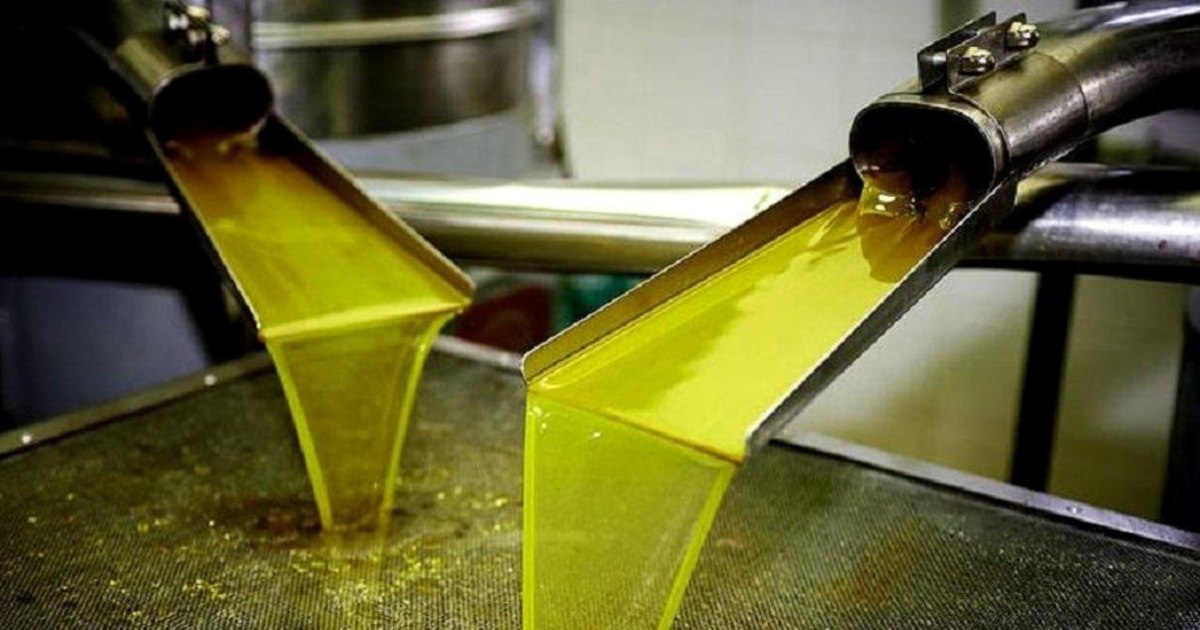
Next, the mill grinds the olives into a paste, traditionally with large millstones or with modern mills. The mill then stirs the paste for 20 to 30 minutes, and tiny oil drops join into larger drops. One Chania olive oil tasting tour is a mill visit where you learn about the production process.
A press, the traditional tool, separates the oil from water and pulp. The modern method uses a centrifuge for the same job. Leftover paste can still give a small amount of oil, called pomace. One tour page names a family-owned company that uses millstones and presses. A different Chania olive oil tasting tour visits an olive oil factory.
What Does Extra Virgin Olive Oil Mean?
Extra virgin olive oil is the highest grade of virgin oil. Makers get it by cold mechanical extraction, with no solvents and no refining. Refining removes colour, odour and flavour from olive oil, and this grade skips that step. The oil contains no more than 0.8 percent free acidity.
Virgin oil is a lesser grade, with free acidity of up to 2.0 percent. Extra virgin also has a taste standard: the oil is judged to have a superior taste. Tour pages for a Chania olive oil tasting name extra virgin oil as the oil you taste. That holds for mill visits and private village tours.
If you buy a bottle after a Chania olive oil tasting, protect it from light, heat and air. Storage in a dark glass container is better, and so is refrigeration. Less exposure to oxygen helps keep polyphenols. Polyphenol content falls as cooking temperature rises. Unfiltered oil deteriorates faster if you do not use it shortly after production.
What Do You Taste In Olive Oil On A Chania Olive Oil Tasting?
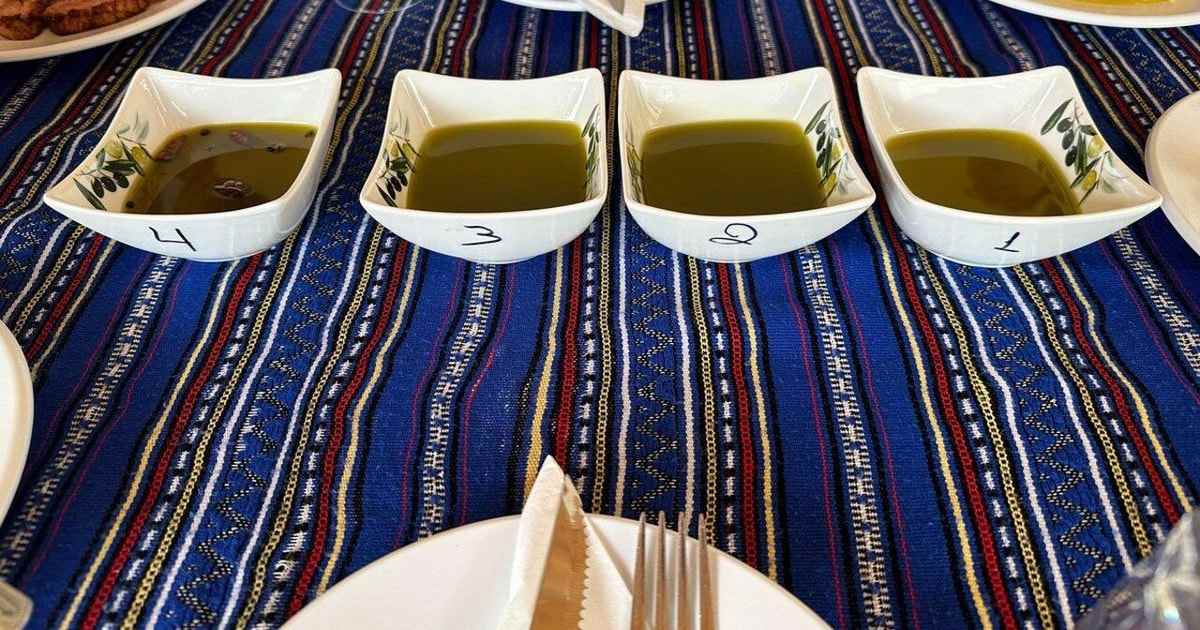
You taste for fruitiness and for a peppery or bitter note, and you check the oil for defects. The International Olive Council requires a fruity attribute above zero before an oil counts as extra virgin. Pages for a mill visit and for an olive oil culture tour both describe a guided tour with tastings.
At a Chania olive oil tasting, a peppery or bitter taste points to higher polyphenol content. Polyphenols give olive oil a slightly bitter taste and a characteristic aroma. A small-group trip includes tastings with local producers. Ask them which note to find in each oil and why it is there.
Extra virgin oil is checked for sensory defects, and the list names rancid, fusty, musty, winey (vinegary) and muddy sediment. On a guided Chania olive oil tasting, ask your tour guide to name each defect. Taste each oil on its own so that one flavour does not blur into the next.
What Else Do You Taste On A Chania Olive Oil Tasting?
A Chania olive oil tasting can add honey, cheese and baked goods next to the oil. One tour page lists honey-making, a cheese factory and a family-run bakery as stops. A second tour page names honey and cheese tastings along with the oil. Check each tour page for its cheese and bakery stops.
Bee hives stand all over Crete, and families there make their own honey. Thick yoghurt is served as dessert with honey drizzled on it. Graviera is the standard hard cheese, and mizithra is a fresh cheese made from ewe’s milk. Dakos is a bread dish, a hard rusk topped with crumbled feta and chopped tomatoes.
Tsikoudia is a grape brandy of Cretan origin, and eastern Crete uses the informal name raki for it. It holds 40 to 65 percent alcohol by volume. A distillery stop with raki appears on one tour page. Two tour pages list a craft beer tasting, and another lists a three-course Cretan meal.
Can You Taste Wine On A Chania Olive Oil Tasting?
Yes, you can taste wine on a Chania olive oil tasting when the tour page lists a winery stop. One private tour page pairs a wine and olive oil tasting at a winery. Another page lets you explore Chania Old Town at your own pace, then taste wine and olive oil.
The tour page for a private countryside tour states an age rule for the wine. Guests aged 18 or older taste Cretan wine at a local winery. The same tour also stops at a local mill for olive oil. Read the age line before you book if a younger guest travels with you.
Crete makes 20 percent of Greek wine, mainly in the Peza region, says Wikipedia. Grape growing and olive groves are both significant on the island. Cretan wine sits on the list of traditional Cretan foods and drinks. On one small-group Chania olive oil tasting, the tour page lists wine tastings with local producers.
Is There A Chania Olive Oil Tasting From The Cruise Port?
Yes, a chania olive oil tasting starts from Souda, the port that serves Chania. Souda sits at the head of Souda Bay, and ferries from Piraeus arrive there too. Chania has a cruise and ferry port. One tour page names Souda as the cruise port that the trip leaves from.
Three tour pages cover shore trips from Chania. The first runs 3 hours, visits an ancient olive tree, and stops at a family-owned olive oil company. The second lasts 7 hours, with olive oil and honey tastings and free time in the Old Town. The third is a private 6-hour tour that adds a monastery.
Each tour page names the meeting point and how the trip fits ship times. Read both before you book a chania olive oil tasting. The 3-hour trip needs the least time ashore, so it suits a short port call. The 7-hour trip needs a long port day. Plan to be back well before the ship sails.
Where Do Chania Olive Oil Tasting Tours Go?
Chania olive oil tasting tours head into the countryside for monasteries, villages and mountain views. Each tour page lists the stops, so check it before you pick. Gonia Monastery and the Cave of Saint John the Hermit are stops on one tour. Another tour visits the Holy Trinity Monastery.
A third tour goes to the Milia mountain retreat, which looks over the countryside and Topolia Gorge. A fourth tour drives through Theriso Gorge and lets you explore Theriso village. The White Mountains, or Lefka Ori, are limestone peaks cut by gorges. Apokoronas, east of Chania on the north coast, is very green and fertile.
Elafonisi Beach is a stop on two tours, and one adds a beach umbrella and mats. Elafonisi is an island near the southwestern corner of Crete, in the Kissamos municipality. In fine weather you can walk to this protected nature reserve through shallow water. One more tour keeps to the city with an Old Town stroll.
Which Chania Olive Oil Tasting Suits You?
The right Chania olive oil tasting depends on your time and your appetite. If time is tight, book a short mill visit with a guided tour and a taste. For more food, pick the tasting tour that comes with a Cretan meal. Cruise guests can look for a shore tour.
The food day adds wine, cheese and honey to the oil stop, so it suits food lovers. A factory and craft-brewery tour suits anyone who wants beer too. If you like to cook, pick the bread class or the cooking class on a family farm. The bread class lets you bake your own loaf.
Active travellers can join a quad safari on off-road paths with a stop at an olive mill. A private countryside tour suits a family or friends who want their own group. If you dislike crowds, look for a small-group tour. Pick the Chania olive oil tasting that fits your day, then read its tour page.
What To Know Before A Chania Olive Oil Tasting?
Before a Chania olive oil tasting, check the season, the access labels and what to pack. Wikivoyage places the Cretan olive harvest in November and December. Summer in Chania runs from April to October and is hot and dry with clear skies. Winters are mild, with relatively little rain and rare frosts.
The tour pages for the mill visit, the meal tour and the food day carry a wheelchair accessible label. Ask the tour team to confirm access for your group and to note any walking limits. The food day page also lists pickup, so check the pickup area when you book.
Tell the tour about allergies and gluten before you book, so the team can plan your food. Wear sturdy shoes in case the visit includes dirt paths at a grove. A seasonal north breeze called the Meltemi can cool hot days, but a summer hat and water still help. Drive only if you skip the wine.
How Do You Book A Chania Olive Oil Tasting On GetYourGuide?
Pick a tour on this page, then open its tour page on GetYourGuide. That page holds every detail you need before you pay. The booking and the payment both happen on the GetYourGuide site. This site only lists the tours and sends you to their pages, so nothing is booked here.
Check the starting point, the length and the list of stops first, because they shape your day. Next, read the group type on the page, such as a small group. Then look for the pickup label and the free cancellation label. Not every tour shows both, so read each page on its own.
Last, read the notice the page asks for before the start. Choose your date and your group size, and book there. Your booking page shows what you picked, so check it once more before you confirm. If two tours look close, open both pages and compare the labels side by side.
Chania Olive Oil Tasting: Questions And Answers
How long is a chania olive oil tasting?
The length depends on which tour you pick. A visit to a single mill takes 1.5 hours. Tours of two, three and five hours are also listed. Longer days add wine and honey stops on top of the oil. Read the length shown on each tour page, because it changes from one tour to another.
Is there a chania olive oil tasting from the cruise port?
Yes. A 3-hour tour that leaves from the Souda cruise port is listed on this page. Its tour page names the meeting point for your group. Compare that point and the tour length with your ship’s time in port. Then plan your day so you reach the ship in good time and without a rush.
Is wine part of a chania olive oil tasting?
Yes, on certain tours. A winery stop adds wine to the day, and its tour page sets an age rule. One private tour page says you taste wine at a winery if you are 18 or older. Other tours stop at oil, bread and honey. Read the list of stops to see what you get.
Is a chania olive oil tasting wheelchair accessible?
Certain tours carry a wheelchair accessible label on their tour pages, and others do not. A mill visit and a tour with a meal both show it. Check the label on the tour page before you book. If you need this access, pick a tour that shows the label, then read its list of stops.